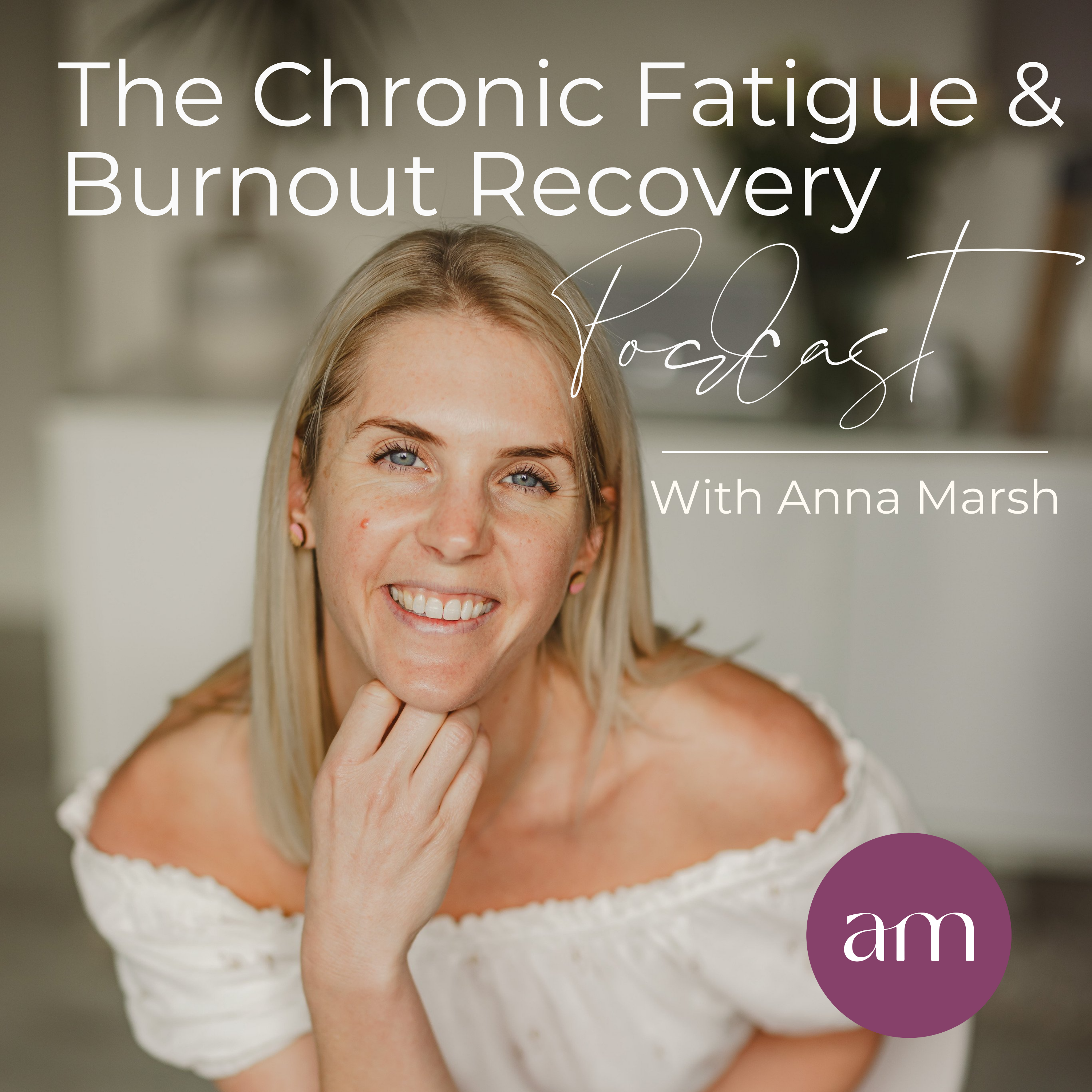
Hosted By

Not all post-exertional malaise (PEM) is driven by the same physiology — and understanding the difference can completely change how you approach pacing and recovery.
In this episode, Anna breaks down the three most common patterns of post-exertional crashes seen in clinical practice: autonomic “hit the wall” crashes, metabolic “wired but exhausted” responses, and delayed immune-driven flares.
You’ll learn why timing matters, how different symptom patterns reflect different underlying mechanisms, and why applying the wrong strategy can stall progress.
This is not about avoiding movement or labelling yourself as fragile. It’s about understanding your physiology well enough to work with it.
If you’ve ever felt confused by your crashes — or wondered why generic pacing advice hasn’t quite worked for you — this episode will offer clarity.
Episode 146: Research Review - The PEM puzzle
Take the Chronic Fatigue Quiz: https://app.annamarsh.co.uk/quiz-page
Instagram: https://www.instagram.com/anna__marsh_
Work with me: https://annamarsh.co.uk/work-together/
Website: http://annamarsh.co.uk/
Join the Nurturing Resilience Subscription: https://annamarsh.co.uk/nurturing-resilience/
Mood disorders refer to significant changes in mood that have a negative impact on daily life. It goes without saying that when someone experiences...
Eating enough protein is a conversation we end up having with almost all of our clients. Eating enough protein is a conversation we end...
In this episode Anna explains the development of Chronic Fatigue using the understanding of the Mast Cell and the Cell Danger Response as a...